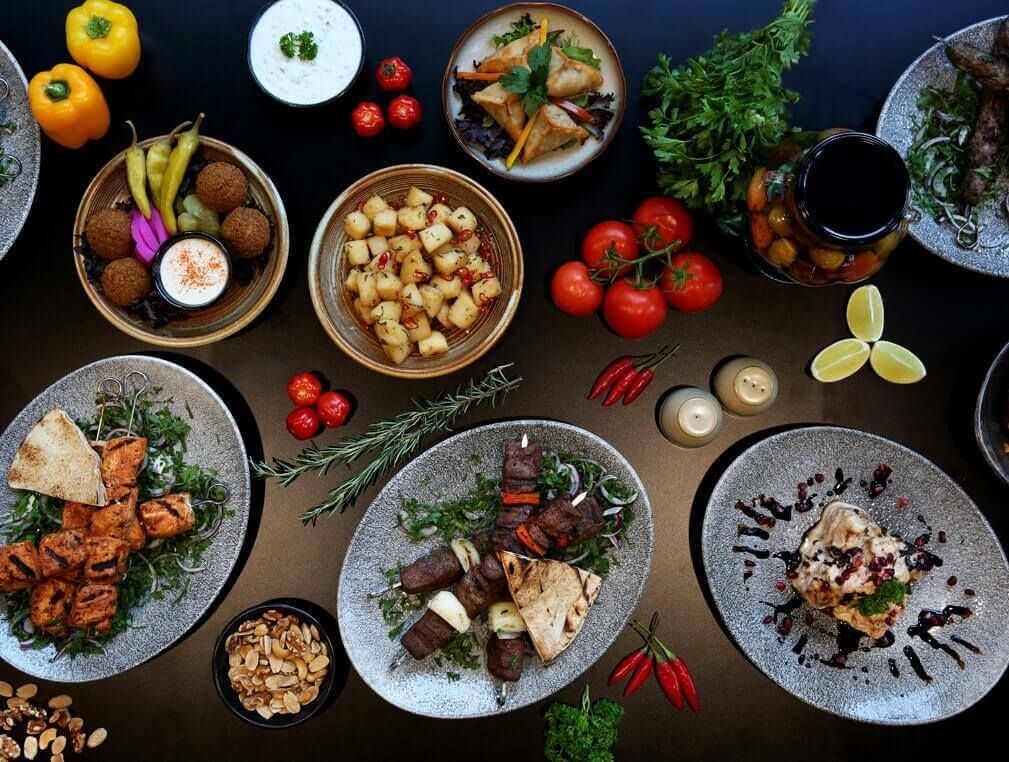
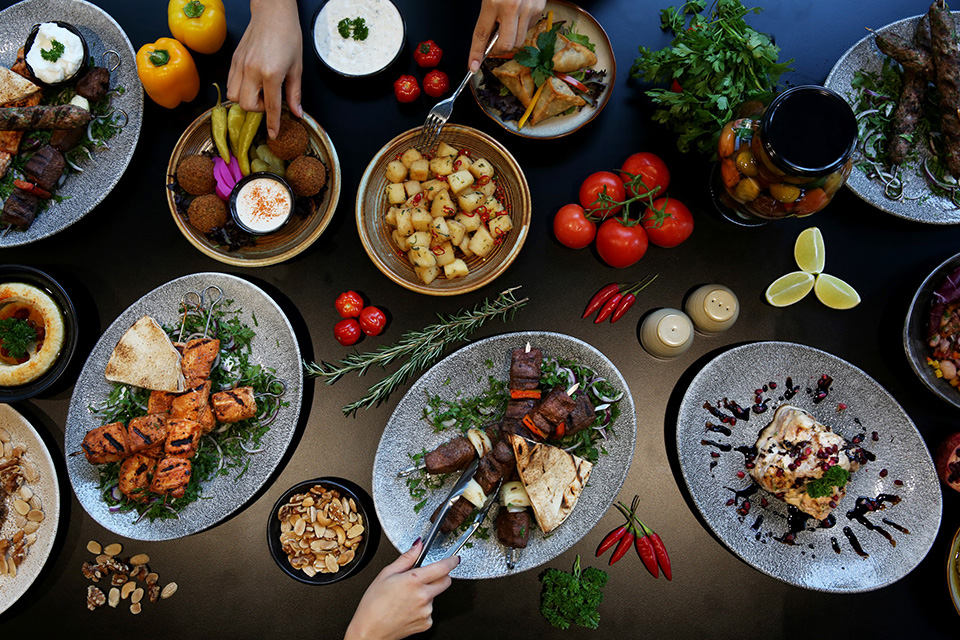
A common problem that many families and friend groups face when going to a restaurant is finding one that can accommodate a variety of dietary requirements. One of the most difficult restaurants to find is for the increasingly popular vegan diet. In Sydney, while there are many vegan restaurants, there aren’t many that offer an array of meat, vegan and vegetarian dishes. Unknown to many is that Arabic restaurants offer an impressive array of meat, vegetarian and vegan dishes.
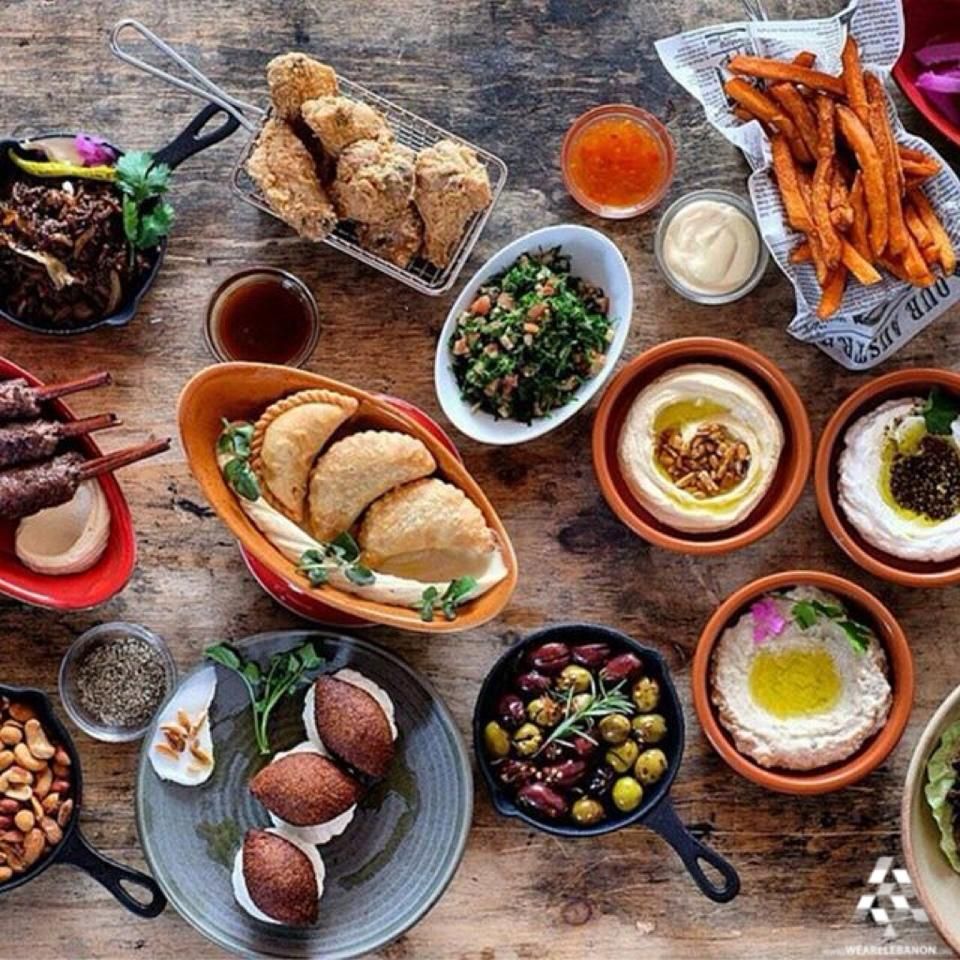
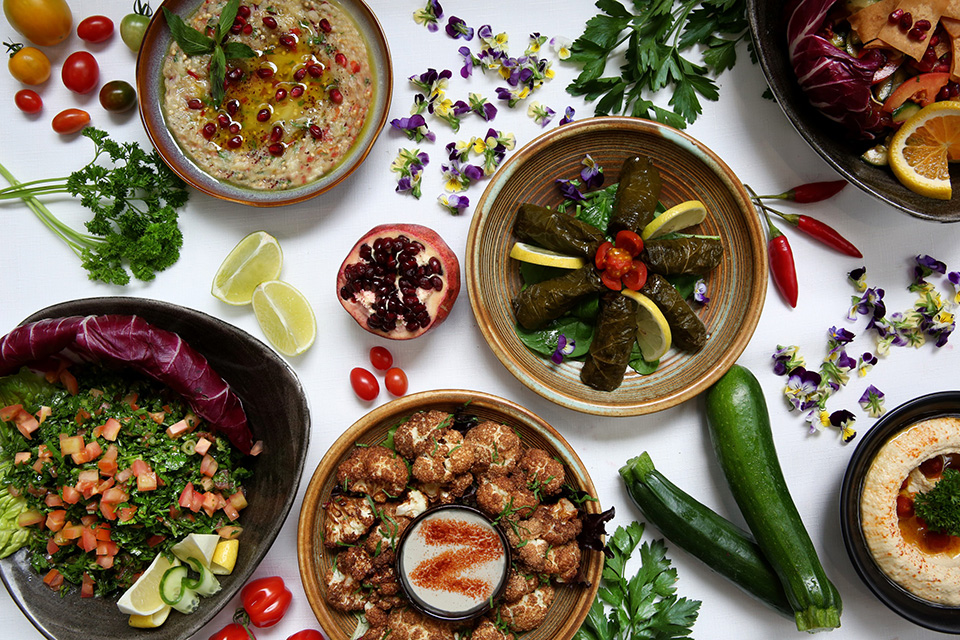
When one thinks about Arabic food, they usually think of chargrilled eats, beautiful salads and delicious dips. What many people don’t realise is that many of these dishes (not the meat), are vegan. Unless you are familiar with Arabic food, it is unlikely that you will know which dishes are vegan and which are not. To help anyone in search of Arabic vegan dishes, we’ve created a list of five of our favourite vegan dishes that can easily be found in any Arabic restaurant in Sydney.
5 of the best vegan dishes from an Arabic restaurant in Sydney
Hommos
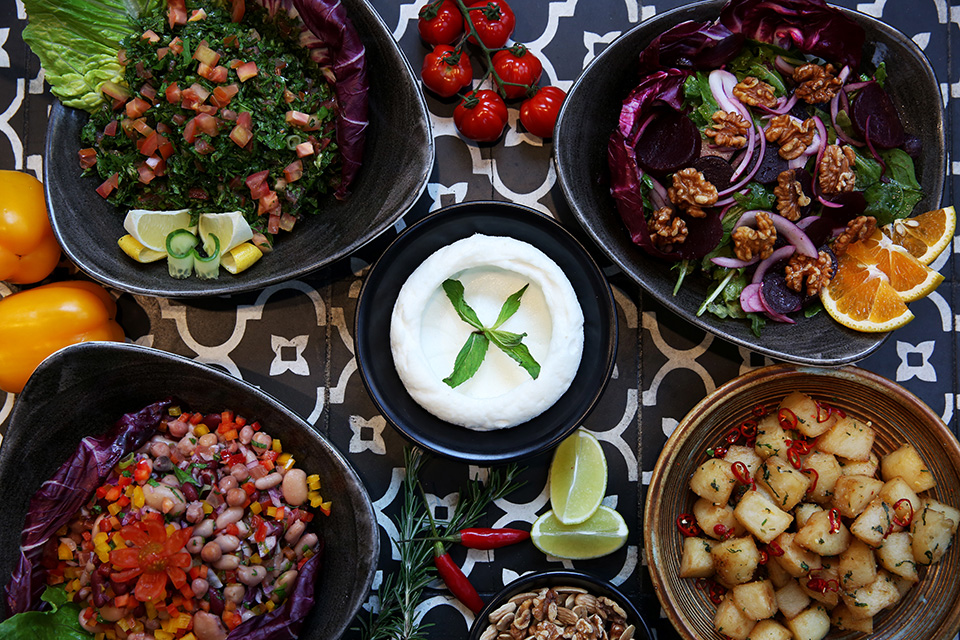
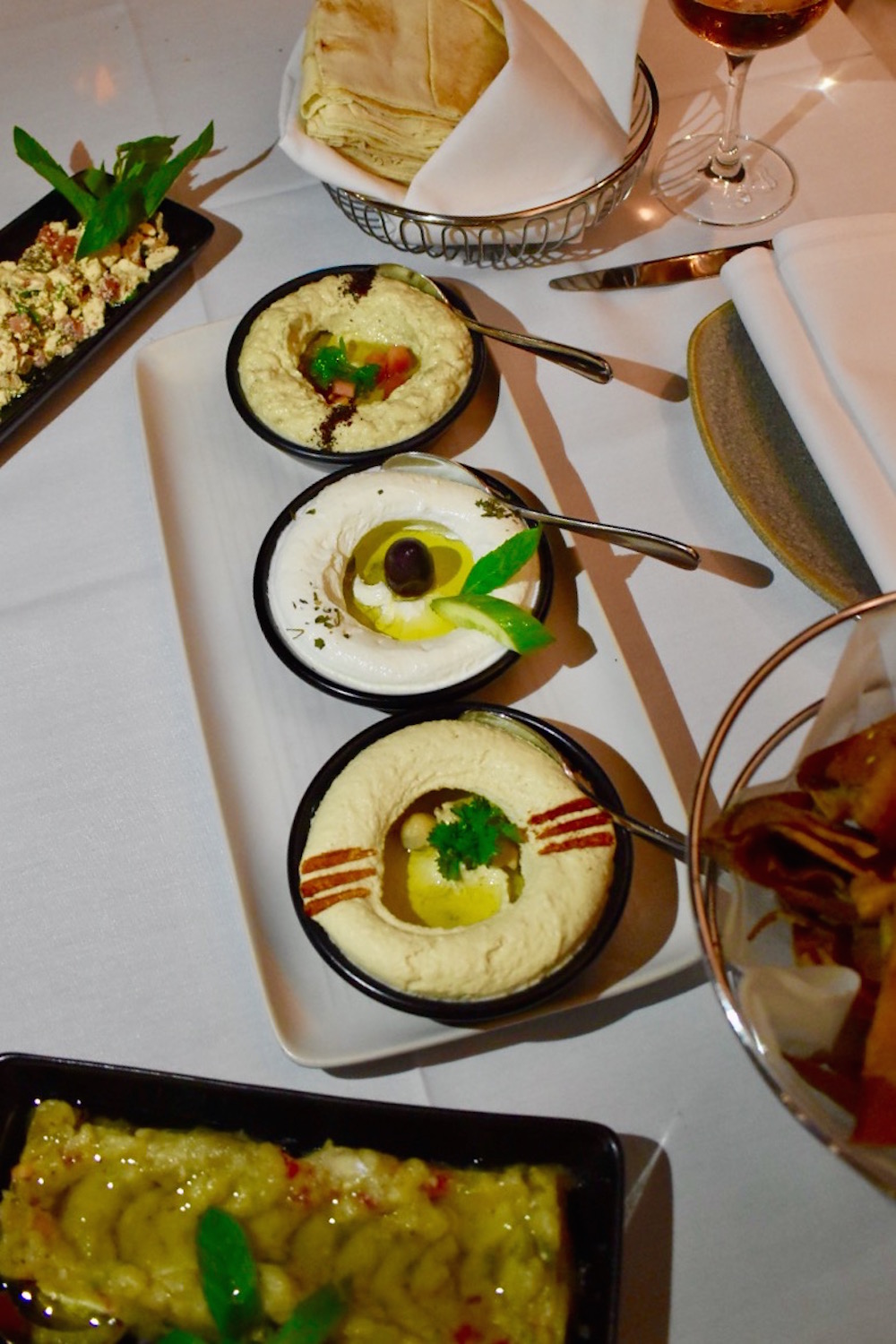
This creamy and popular dish is known to be vegetarian, but did you know that it’s vegan as well? It is so creamy and lush that it is hard to believe! However, its luscious texture comes from blended chickpeas and creamy tahini which helps it become thick and rich. While it is just a dip, it can be added to a variety of meals and enjoyed with Lebanese bread.
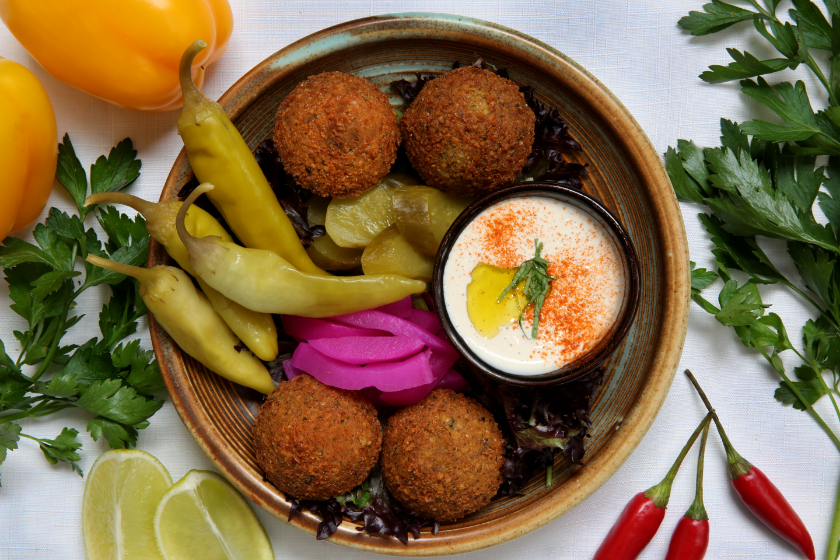
Falafel
Falafel is enjoyed by vegetarians around the world. It is made primarily with either ground chickpeas or fava beans and a combination of spices and herbs. It’s incredibly filling and serves as an excellent substitute for meat. Many people enjoy it along with hommos, pickles, lettuce and tomato on a plate or stuffed into a wrap. Falafel is a great source of protein for vegans and can easily replace what would traditionally be chargrilled meats on an Arabic plate. On its own, falafel is incredibly satisfying and fulfilling as a vegan option and now, has been incorporated into the diets of many vegans.
Batata harra
Unsurprisingly, batata harra is on this list. Batata harra is basically cubed potatoes that are fried in olive oil along with red pepper, coriander, chilli and garlic. While obviously vegan, it is a delicious and satisfying accompaniment to falafel or plates. However, it is commonly served with Lebanese mezze.
Ful medames
Ful medames is a stew of cooked fava beans that have been flavoured with olive oil, cumin, lemon juice, parsley and chilli. It can be eaten with breakfast, lunch or dinner and again, is an excellent source of protein because of beans being the main ingredient. Simply enjoyed warm and with fresh pita bread, this dish is great for any vegan or non-vegan in search of a delicious and hearty dish.
Baba ghannouj
Like many dishes on this list, it’s hard to believe that baba ghannouj is vegan. Similar to many other Arab dips, it is hearty, creamy and luxurious. Part of its satisfying quality is because the dip is made up mostly of eggplant. Eggplant is extremely meaty and somewhat creamy, proving the dip with a luxurious and substantial texture. Like hommos, this can be eaten simply with warm pita bread or, added to a plate as a delicious element.
In many cultures, breakfast is the most important meal of the day. For the Lebanese, all meals are important and unlike other cuisines, heavy emphasis is placed on breakfast foods and the cooking of them. Breakfast food in Lebanese culture is made up of a variety of food which we will discuss further in this article. Many of the dishes are made up of foods that are commonly enjoyed at dinner as well. In true Lebanese style, breakfast is plentiful and accommodating to a variety of diet requirements, including vegans. If you’re interested in trying these dishes, book a table online to one of your favourite Lebanese or Middle Eastern restaurants.
If you’re wondering what delicious dishes make-up a Lebanese breakfast, then look no further! In this article, we’ll be looking at a few of the most popular Lebanese breakfast dishes.
4 yummy Lebanese foods to have at breakfast
Fatteh
Fatteh is essentially fresh, toasted or stale flatbread with chickpeas and yogurt. The dish usually uses stale bread which is then brushed with olive oil and either toasted or fried. It is then covered with a yoghurt sauce that is combined with chickpeas, meat or eggplant. However, if you or your family are vegetarian, then use only chickpeas.
Many people refer to fatteh as the king of Lebanese breakfasts. It is easy to prepare, substantial and of course, delicious. To keep the crispness of the bread (a key element of good-quality fatteh), we recommend toasting the bread ahead or dressing the bread only when ready to consume (any earlier and you may end up with soggy fatteh). For garnish, you can top your fatteh with toasted pine nuts and a final squeeze of lemon and sprinkle of salt.
Manakeesh
Manakeesh or manooshe is a piece of dough that is topped with thyme, za’atar, cheese or ground meat. Za’atar, one of the most popular toppings, is made of ground thyme, oregano, marjoram, toasted sesame seeds and sumac. The spice mixture is mixed with olive oil and spread onto the dough before being baked in an oven. Though popular with breakfast, manakish is also served with mezze. Manakeesh is known as an on-the-go breakfast, and can easily be folded in half and carried as a sandwich for easy and mobile consumption. Other toppings for manakeesh include akawi cheese, lamb, tomato and onion.
Ful medames
Ful medames is a vegan breakfast option. It is a stew of cooked broad or fava beans that are made with cumin, parsley, garlic, onion and lemon juice. You can enjoy it on its own, with vegetables such as a plate of pickles, tomatoes, herbs, radishes and olives or simply, with fresh flatbread. While the dish is an export from Egypt, Lebanon has made customised it and it is now one of the most popular breakfasts. Ful medames is a very filling and hearty breakfast. While very satisfying, it is extremely easy to make and can come together quite quickly for breakfast or dinner. Remember to top your ful medames off with a drizzle of olive oil and a squirt of lemon juice.
Awarma
Awarma is the Arabic word used to categorise lamb that has been preserved in lamb fat. Essentially, awarma is lamb confit. Awarma is an ancient Lebanese tradition and though awarma it is usually prepared in rural areas, lamb fat is used throughout Lebanese dishes. For breakfast, awarma is used in eggs. Eggs in awarma are baked in a clay skillet, giving it tremendous flavour. It can be served with manooshe and eaten warm. If awarma is hard to find or difficult to make, then try using the Lebanese sausage sujuk. Sujuk is a fermented sausage that pairs well with eggs and is also a great breakfast dish.
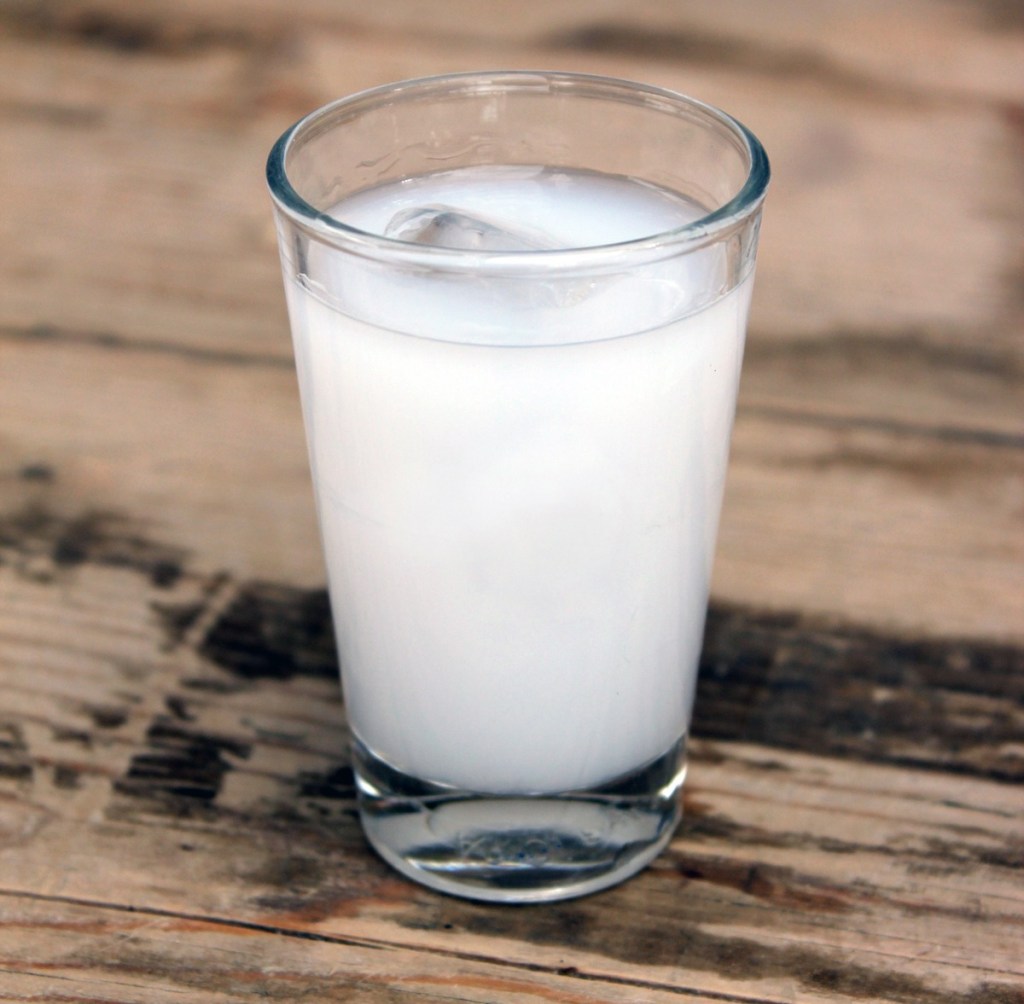
While all of these dishes are great for breakfast, there is one thing that is never missing from a Lebanese breakfast spread – Lebanese coffee! Lebanese coffee is a must at any time of the day, but especially at breakfast. You may also find ayran, a savoury yogurt drink. Ayran is a refreshing yogurt drink that is unsweetened and sometimes seasoned with a pinch of salt.
Don’t forget to book online for a table reservation!
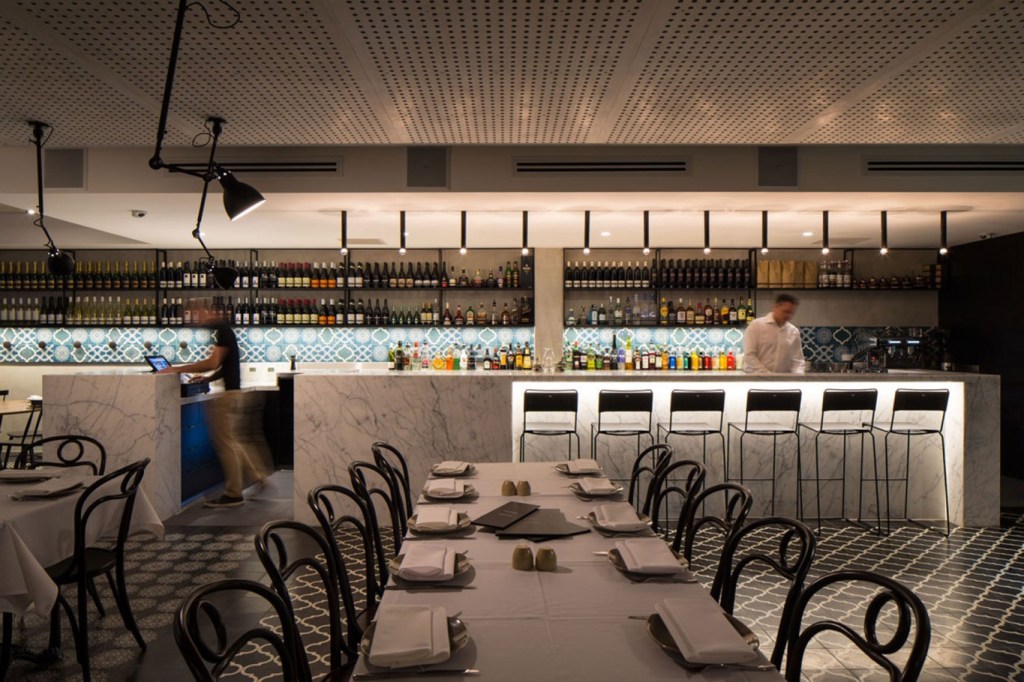
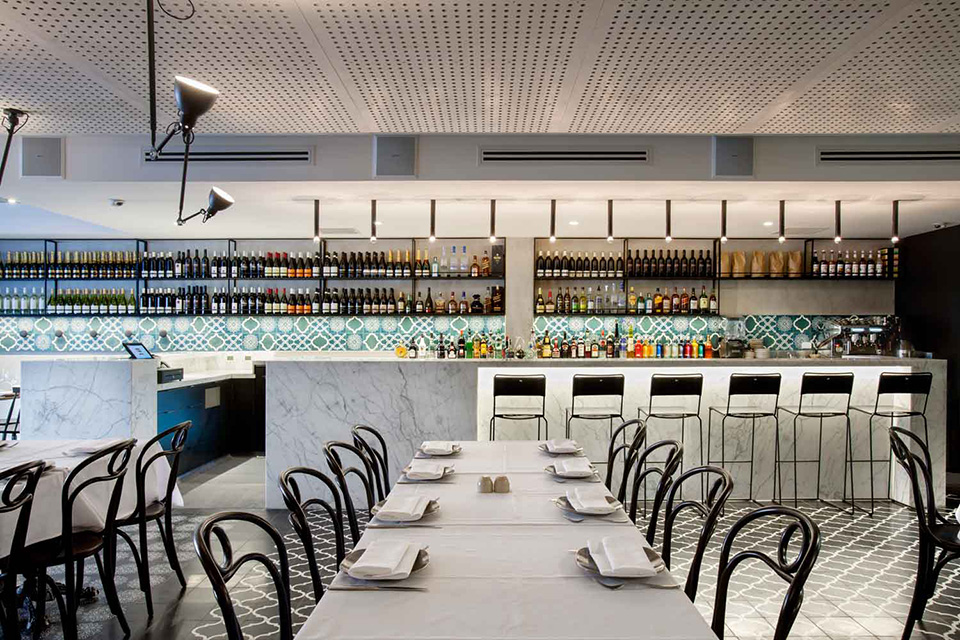
Wondering where you can find more amazing Lebanese dishes? Check out Zahli Modern Middle Eastern. They don’t only serve the best Lebanese food but they offer something for everyone. The restaurant is a perfect example of a great Sydney restaurant that has flourished over the years and remained a staple in many Sydneysiders lives.






 Zahli Restaurant's Blog