In Sydney, the usual spot to satisfy your sweet tooth is the nearest gelato or cake shop. For some unknown reason, Arabic restaurants have not hit peak popularity on Sydney’s dessert scene. Though the dessert options are fairly unique, they are unbelievably delicious and deserve recognition.
We’ll be diving headfirst into the world of Arabic desserts. You’ll learn about their beautiful flavours, interesting concepts and unique histories. Don’t expect to find baklava or rice pudding on this list, we’re highlighting the lesser-known beauties of the Arabic dessert world.
Knafe with cheese
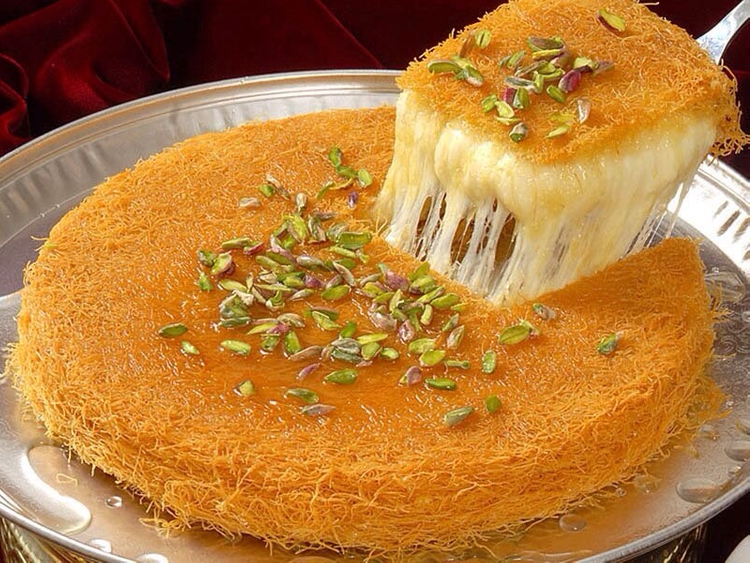
Knafe is a dessert made from either fine semolina or a noodle-like pastry. It is soaked in a sweet, sugar-based syrup and layered with a piece of soft, white cheese, and then topped with crushed pistachios and cream. It can be flavoured with traditional Arabic flavours like orange blossom and rose water which is poured on the pastry during its final minutes of cooking. The dessert is incredibly decadent and sweet. The melted cheese perfectly compliments the crisp pastry making for a dessert that is both complex in flavour and texture.
Being one of the Arabic cuisine’s most unique desserts, it’s certainly one to put on your must-try list.
Mastic ice-cream or booza
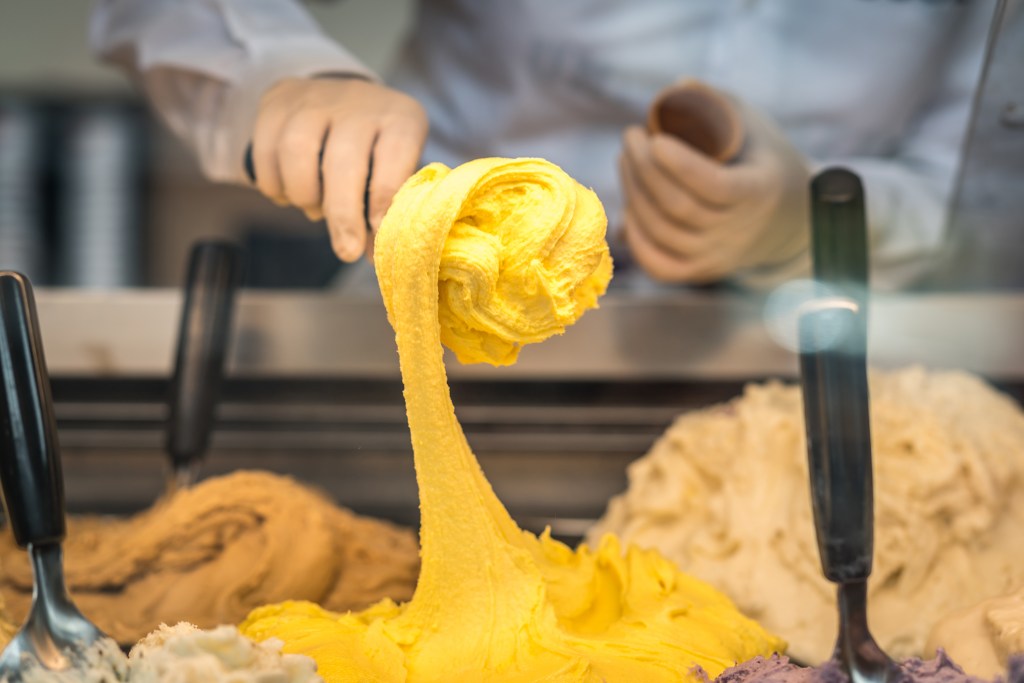
Arabic mastic ice-cream is a uniquely textured ice-cream. Named after its key ingredient, Mastic spice (plant resin), booza is the Arabic name for the ice-cream. Similar in texture to mozzarella cheese, it is traditionally made with milk, cream sugar, sahlab orchid root powder and of course, mastic. Booza is made by pounding and stretching the base with wooden sticks in a freezer drum rather than the conventional method of churning. Combined with the addition of mastic, this produces a stretchy and chewy type of ice-cream. It is usually flavoured with pistachio paste or orange flower water. On its own, it has a subtle floral flavour.
The next time you’re in the mood for gelato, opt for mastic ice-cream instead. It’s floral aroma is incredibly charming and you’ll never be bored with its one-of-a-kind texture.
Mhlabiye
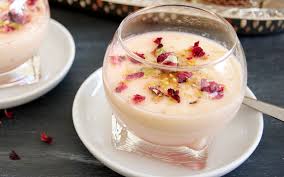
Mhlabiye is the Arabic version of panna cotta, minus the gelatine. It’s an orange blossom and rose water infused milk pudding that’s topped with crushed pistachios and served cold. Rice flour, instead of gelatine, is used to thicken the pudding, however, thickening agents vary from country to country. The dessert was allegedly introduced to Arabic cuisine by a Persian cook who served it to an Arab general, Al-Muhallab ibn Abi Sufra. The general liked the dessert so much that he named it after himself, hence Muhallebi, the Arabic name for the milk pudding.
The unique thickening and infusion of the milk pudding makes this dessert an experience of its own. The next time you feel a hankering for panna cotta, visit your nearby Arabic restaurant and indulge in the flavours of the Middle-East.
Lebanese restaurants are well-known for their delicious mezzas, salads, meats and desserts, however, their traditional drinks remain relatively unknown. When dining in, not much thought is given to the accompanying beverage. You may opt for wine, beer or a soda, but there is a world of delicious Lebanese beverages waiting for you to explore. While not all of these beverages may be available at any one Lebanese restaurant, you will certainly find at least one. With these drinks, you will experience new combinations of traditional Lebanese flavours. To celebrate the culture and tradition of Lebanese cuisine, we’ll tell you what the best drinks are to order at a Lebanese restaurant in Surry Hills.
Arak
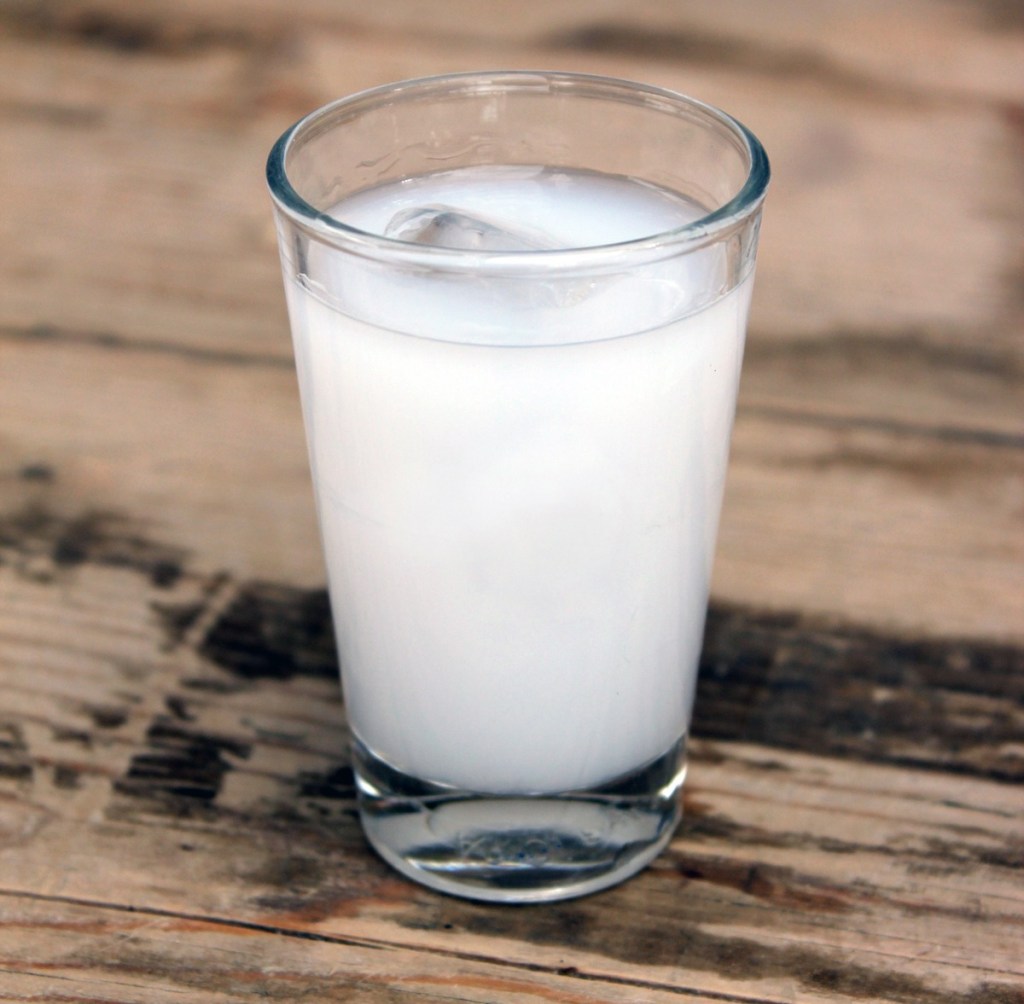
Arak is an unsweetened and translucent distilled spirit made of only two ingredients, grapes and aniseed. Due to this, it has a slight but noticeable licorice-like flavour, similar to ouzo or sambuca. Arak will be found at any authentic Lebanese restaurant. It’s often served with mezze and raw meat dishes like kibbeh nayyeh. Arak is usually consumed with water and an ice-cube. Arak is served by mixing in water which turns it a milky-white colour. It is then added to ice. This order is important because if done wrong, the anise oil can settle on top of the drink and create an unpleasant oil film.
What do you pair with arak?
Arak is traditionally paired with Lebanese summertime staples such as parsley, meat, tomatoes and onion. Unsurprisingly, as these ingredients are common during mezze, Arak is most commonly served then. Arak cleans the palate and prepares it for new and exciting ingredients, making it perfect for the variety of dishes served.
Laban ayran
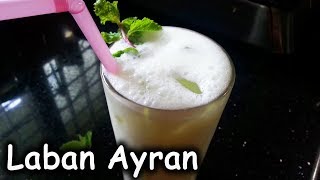
Aryan is a refreshing salty yoghurt drink usually drunk during the summertime in Lebanon. Iced or chilled water, yoghurt and salt are mixed together until frothy and then served cold. There are variations of this drink throughout the Middle-East. Some include dried mint, pennyroyal, cucumbers, and black pepper, while others carbonate the drink with sparkling water.
What do you pair with laban ayran?
Laban ayran is cool in temperature and also provides relief from spice via yoghurt, its main ingredient. This makes it perfect for accompanying kebabs and other spicy foods.
Jallab
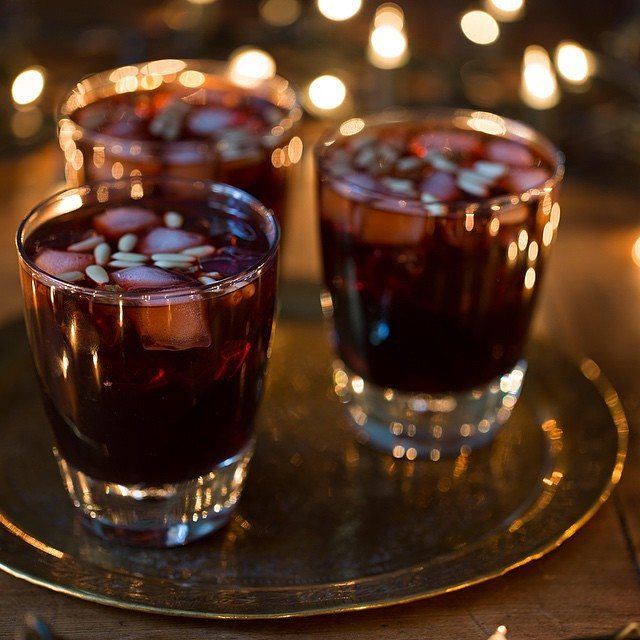
Jallab is a sweet and refreshing drink that is made by diluting a special Lebanese syrup with water. The syrup is made from carob, dates, rose water and grape molasses. Different versions use different ingredients. For example, some may add date syrup, pomegranate syrup and almond slivers to the drink. In some cases, it is smoked with Arabic incense by placing a teaspoon of powdered musk on a piece of incense, lighting it and then passing the glasses over the smoke so that they are permeated with the fragrance of the incense. The drink is served in a tall glass with ice and then topped with pine nuts and raisins.
What do you pair with jallab?
Jallab is filled with caramel and floral notes, making it a delicious but strongly flavoured drink. Because it is sweet from the grape molasses and dominant flavour profile, the drink is usually consumed on its own. Some Western versions have also used it as a mocktail or, introduced tea or alcohol and turned it into a cocktail. Additionally, others have enjoyed using it to accompany meats, cheese and olives as a sweet counterbalance.
Lebanese coffee
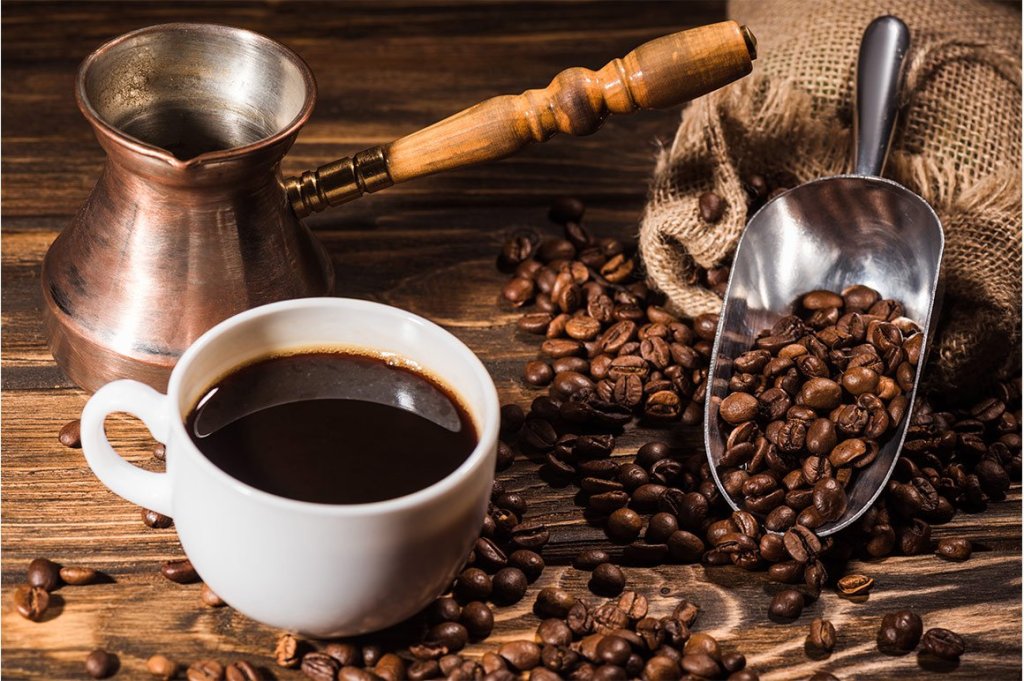
Lebanese coffee is another drink that any authentic Lebanese restaurant is sure to have. Instead of opting for your traditional long black instead, try Lebanese coffee. It is extremely strong and derived from the Brazilian bean. The coffee is poured in front of guests from a long-handled coffee pot or rakweh and served in espresso-sized cups on a coffee tray and accompanied with a glass of cold water.
What do you pair with Lebanese coffee?
Lebanese coffee is highly caffeinated and slightly bitter. Although it is consumed at any time of the day, it is most commonly served after a meal. The bitter notes of the coffee pair well with a dessert such as baklava or knafeh. However, in Lebanese culture, coffee is essential and a way of life. It has less to do with the meal and more to do with tradition.
You’ve probably skimmed past these beverages while perusing a Lebanese or Middle-Eastern restaurant’s menu. The next time you have the opportunity to try one of these beverages, take it! You may just find you’re next favourite drink.
If you’re convinced that you need to visit a Lebanese restaurant to try a Lebanese beverage, then head to one of the best Middle Eastern and Lebanese restaurants in Sydney – Zahli Modern Middle Eastern. Serving only the best Lebanese food drawing from culture, tradition and the history of Lebanon.
 Zahli Restaurant's Blog